Collector guide
Physical Media Collection: How to Build One That Lasts
A practical starting point for choosing, cataloging, organizing, storing, and enjoying a movie collection you will actually use.
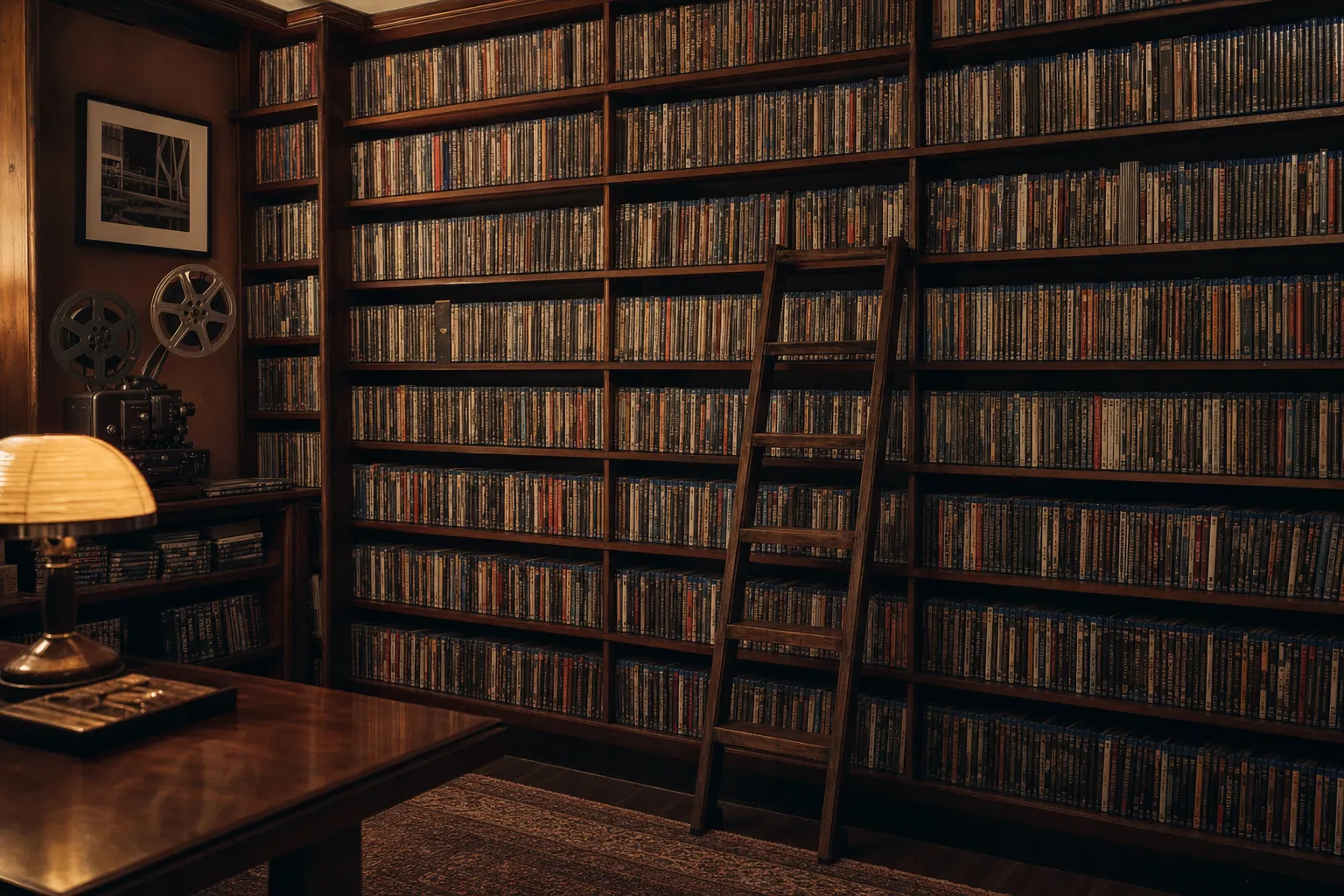
A good physical media collection is not a contest to fill shelves. It is a personal library: films you return to, titles that shaped your taste, and discoveries you do not want to leave to a changing catalog. The practical advantage is simple too. When you own the disc, you can choose the version, bonus features, and viewing night without wondering whether a service still carries it.
The easiest way to begin is to make a few decisions before buying anything. Choose a format you can play, choose a collecting lane you will enjoy living with, and make room for the collection to grow slowly. This guide keeps the process useful, not precious.
1. Decide what your collection is for
Start with the feeling you want from the shelf. Maybe you want a dependable movie-night library. Maybe you are filling gaps left by streaming, following a favorite director, or tracking down the television and genre films you remember from late-night cable. All are valid. The problem comes when every bargain-bin title feels like a mandatory purchase.
A clear rule helps. Try one of these: only buy films you would happily watch again; build around a genre you already love; collect editions with useful extras; or reserve the shelf for hard-to-find titles. The last approach suits collectors who enjoy the hunt. The store’s genre guide is a useful way to turn a broad interest into a first lane, whether that is noir, westerns, martial arts, television, or rare movies.
Your first twenty discs do not need to explain your entire taste. They only need to make you want to pull one down on a quiet evening. A collection with a point of view will always feel better than a pile of acquisitions.
2. Choose formats by the titles you want, not the logo on the case
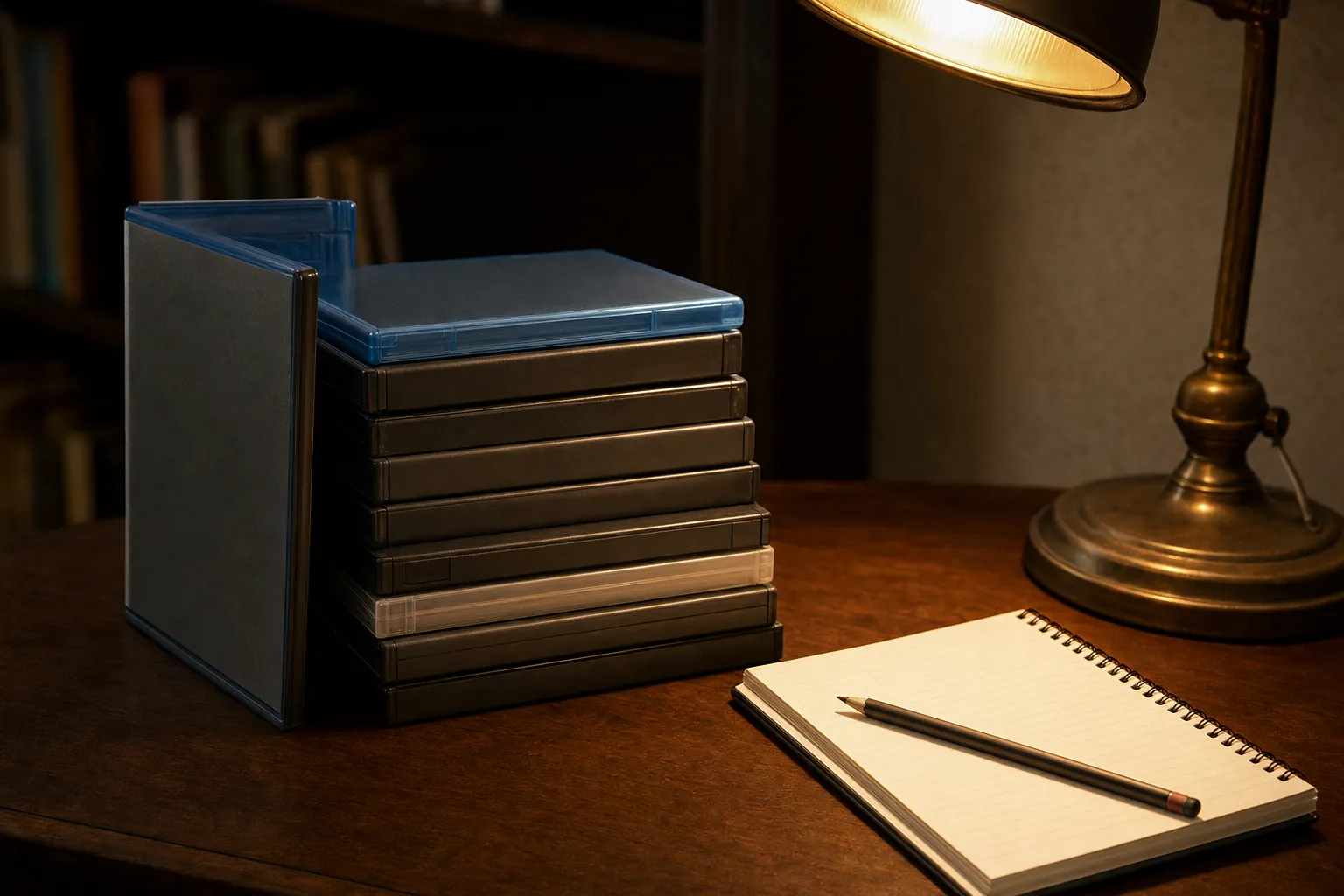
DVD, Blu-ray, and 4K each have a place. The right answer is not automatically the newest format. Older films, television releases, imports, concert videos, and cult titles are often easiest to find on DVD. A DVD player that handles the regions you need can open up a much wider range of releases. If picture quality is your first concern, a well-mastered Blu-ray or 4K release can be the better choice.
Check the details that affect whether you can actually enjoy the disc: format, playback region, aspect ratio, audio, subtitles, and whether the release is a full season, a feature, or a compilation. That is why a collection benefits from buying fewer discs with more attention. The catalogue explains the kind of clear information worth looking for before you add a title to the shelf.
Be especially careful with older or unusual releases. A low price can still be a poor buy if it will not play on your equipment or if it is a chopped-up edition of the film you wanted. Read the listing, then decide whether the particular edition belongs in your library.
3. Give yourself a starter list and a spending rule
Collectors get the best results when they shop from a list. Keep it simple: five favorites you want to own, five titles you cannot reliably stream, and five blind spots you want to explore. That is enough direction to make browsing fun without turning every purchase into homework.
A spending rule protects the collection from becoming clutter. You might set a monthly amount, trade one title out before bringing one in, or wait a week before buying an unfamiliar film. None of this makes collecting less enjoyable. It gives the good finds room to matter.
Use the wish list as a record of curiosity, not pressure. An obscure title can be worth waiting for. The point is not to own it first; the point is to bring home editions that fit your taste, your equipment, and your shelf space. For inspiration, the site’s collector notes can help you identify genres and eras worth exploring before you commit to a purchase.
4. Organize early, but choose a system you will keep using
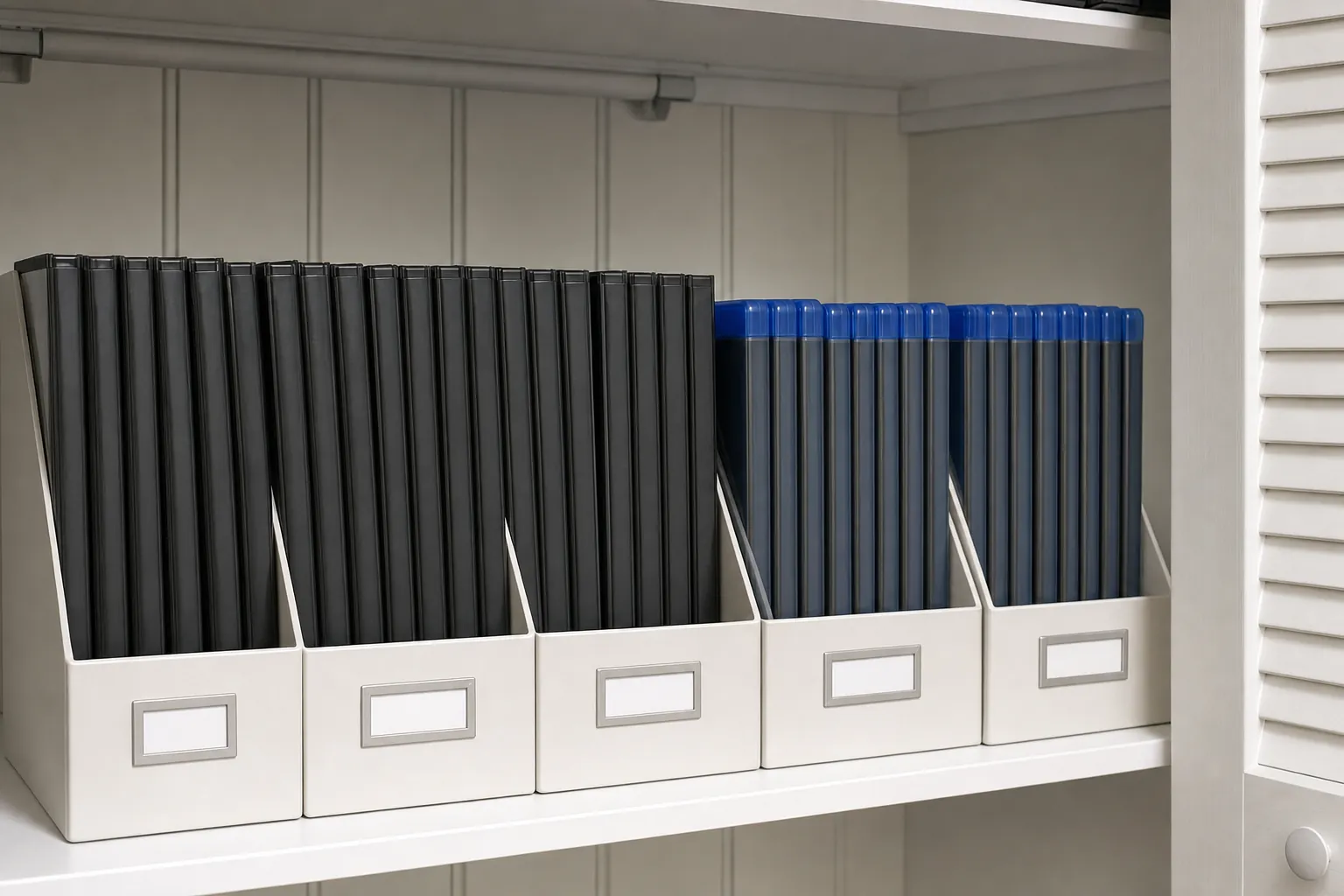
Organization is not about impressing anyone. It makes the collection usable. Alphabetical order is the easiest system for most people. Genre sections can work better if choosing a mood is how you decide what to watch. Director, decade, language, and format can all work too, provided you can remember the rule when you are tired on a Friday night.
Keep box sets together. Decide how you will file titles beginning with “The” and stick to it. If you own multiple editions of the same movie, place them together unless one belongs in a special-edition or format section. A small note in your phone or a basic spreadsheet can track format, region, and whether you have watched the disc. It does not need to become a second job.
Do not hide every case in binders just to save space. The packaging often contains the details that help you identify an edition later, and the shelf is part of the pleasure. If space is tight, keep the cases you value most visible and use a measured overflow solution for duplicates or standard releases.
5. Learn the difference between a tempting deal and a useful edition
Used discs can be a great way to build a collection, especially when you are exploring older titles. They also reward a little patience. Check that the disc is included, the case closes properly, and the listing tells you which edition you are getting. A title can exist in several forms: a bare-bones DVD, a collector release, a television cut, a foreign edition, or a set that includes a sequel you do not need.
For a film you already love, compare the details before choosing. Does one release include the original aspect ratio, commentary, subtitles, a restoration, or the complete season? Is the disc region-compatible with your player? A more expensive edition is not automatically better, but a clear listing gives you a fair chance to decide. The archive’s approach to hard-to-find titles is built around that same idea: know what you are bringing home before you commit shelf space to it.
Be wary of mystery lots when you are starting out. They can be fun later, when you know what genres and editions you like, but they often create duplicates and obligation viewing. One well-chosen disc teaches you more about your taste than ten random ones. Buy the movie you want to watch, not the promise that a stack of plastic might become a collection.
6. Store discs as if you want to watch them again in ten years
Physical media does not need museum treatment, but it does benefit from boringly sensible care. Keep discs in their cases, store them upright where possible, and avoid hot cars, damp basements, direct sun, and crowded shelves that bow the cases. The Texas Archive of the Moving Image’s home-media guidance recommends clean, cool, dry, dark storage because heat, humidity, and light speed normal wear.
Handle a disc by the edge and center hole. If it needs cleaning, use a soft, clean cloth and wipe from the center outward rather than around the disc in circles. Do not stack loose discs. These are small habits, but they prevent the kind of scratches and warped packaging that turn a favorite title into a frustrating one.
Collectors who care about the long view can borrow the basic mindset of preservation work: stable storage and thoughtful access matter. The National Film Preservation Foundation describes preservation as both protecting originals and making films available to be seen. Your home shelf is not an archive, but it benefits from the same plain logic: take care of what you want to keep accessible.
7. Catalog your collection so it stays easy to use
Once a shelf has more than a few dozen titles, memory becomes unreliable. A simple catalog prevents accidental duplicates and helps you remember why you bought a particular edition. Record the title, format, region, edition, and shelf location. Add a short note only when it will help later, such as “watch with commentary,” “replacement case needed,” or “upgrade only if the full cut appears.”
Keep the first version small enough to maintain. A phone note, a spreadsheet, or a cataloging app can all work. Start with the fields that solve real collector problems: what the title is, which version you own, whether it will play on your setup, and where you can find it. You can add purchase price, condition, or watch status later if those details genuinely help you decide what to buy or watch next.
The useful part is consistency, not elaborate software. The National Archives’ preservation resources point collectors toward the same broad disciplines used by archives: know what you have, care for it properly, and make it findable when you want access. That principle scales down perfectly to one bookcase.
A list also sharpens future buying. Before you order a title, you can see whether you already own a different edition, whether a box set covers it, and whether a format upgrade would give you something meaningful. That keeps the collection personal instead of repetitive.
8. Make the shelf part of your viewing life
A collection earns its space by being watched. Pick a loose rhythm: one disc night each week, a director double feature once a month, or a season-by-season television run. Pull one title you know and one you have been meaning to try. This keeps the collection from becoming décor and helps you notice which kinds of releases you actually enjoy owning.
Physical media also makes a good shared experience. A cover on the table invites a conversation in a way a scrolling menu rarely does. Keep a few reliable choices in reach for friends, family, or a low-effort movie night. The store’s customer reviews reflect the appeal of finally finding films people have searched for over the years: the right disc is often more memorable than another recommendation algorithm.
9. Build slowly enough to let your taste lead
The best collections are edited. They show what their owner loves, not what happened to be discounted. Leave room for discovery, but be willing to pass on titles that do not fit. You can always start another list; you do not need to turn every interesting film into an immediate purchase.
Let the collection change with you. A shelf built at the beginning of a new interest may lean heavily on familiar favorites; a year later, it may make room for a director, a country, a studio, or a genre you had barely considered. That is not inconsistency. It is the evidence that you are watching closely. Keep the titles that still call to you, pass along the ones that do not, and let each new space on the shelf be a deliberate invitation to watch something good.
When you are ready to look beyond familiar favorites, browse the current movie catalogue by title or follow a genre into the stranger corners of cinema. Retro and Classic Flixs is built for the films that regular retailers leave behind: rare releases, out-of-print favorites, television, genre discoveries, and the editions that make a shelf feel personal.
Start with a few choices you are excited to own. Keep them playable, easy to find, and worth revisiting. The collection will take care of the rest.
Frequently asked questions
Starting your shelf
What should I buy first for a physical media collection?
Start with films and shows you already know you will rewatch, then add one or two titles that are difficult to find through streaming. A small, personal collection is more useful than a large stack of blind buys.
Should a beginner collect DVDs, Blu-rays, or 4K discs?
Use the format your player supports and the editions that fit your priorities. DVDs are often the simplest route to older, obscure, television, and region-free titles. Blu-ray and 4K can be worthwhile when a better transfer or special edition matters to you.
How do I catalog a physical media collection?
Use a simple list that records the title, format, region, edition, and shelf location. Add notes only when they will help later, such as a preferred cut, missing packaging, or an edition you plan to upgrade. The best catalog is the one you will keep current.
How do I keep a movie collection from taking over the room?
Give the collection a defined shelf or cabinet from the start, organize it in a way you can maintain, and leave a little open space. When the shelf is full, make room only for a title you genuinely want more.
Is physical media worth collecting if I already stream movies?
Streaming and discs do different jobs. Streaming is convenient for browsing; a disc collection gives you a dependable, deliberate library of the films you care about most, often with editions and extras that are not always available elsewhere.
Keep exploring
More collector guides.
Collector guide
Physical Media vs Streaming: A Collector’s Guide
A clear comparison of convenience, ownership, editions, cost, and care for viewers deciding what belongs on the shelf.
Read guide →
Collector guide
What Is Physical Media? A Movie Collector’s Guide
A clear guide to DVDs, Blu-rays, editions, and the reasons some films deserve a place on your shelf.
Read guide →
Collector guide
DVD vs Blu-ray: Which Format Should You Buy?
A practical comparison of picture quality, compatibility, editions, and value for movie collectors choosing the right disc.
Read guide →Ready for the hunt?